
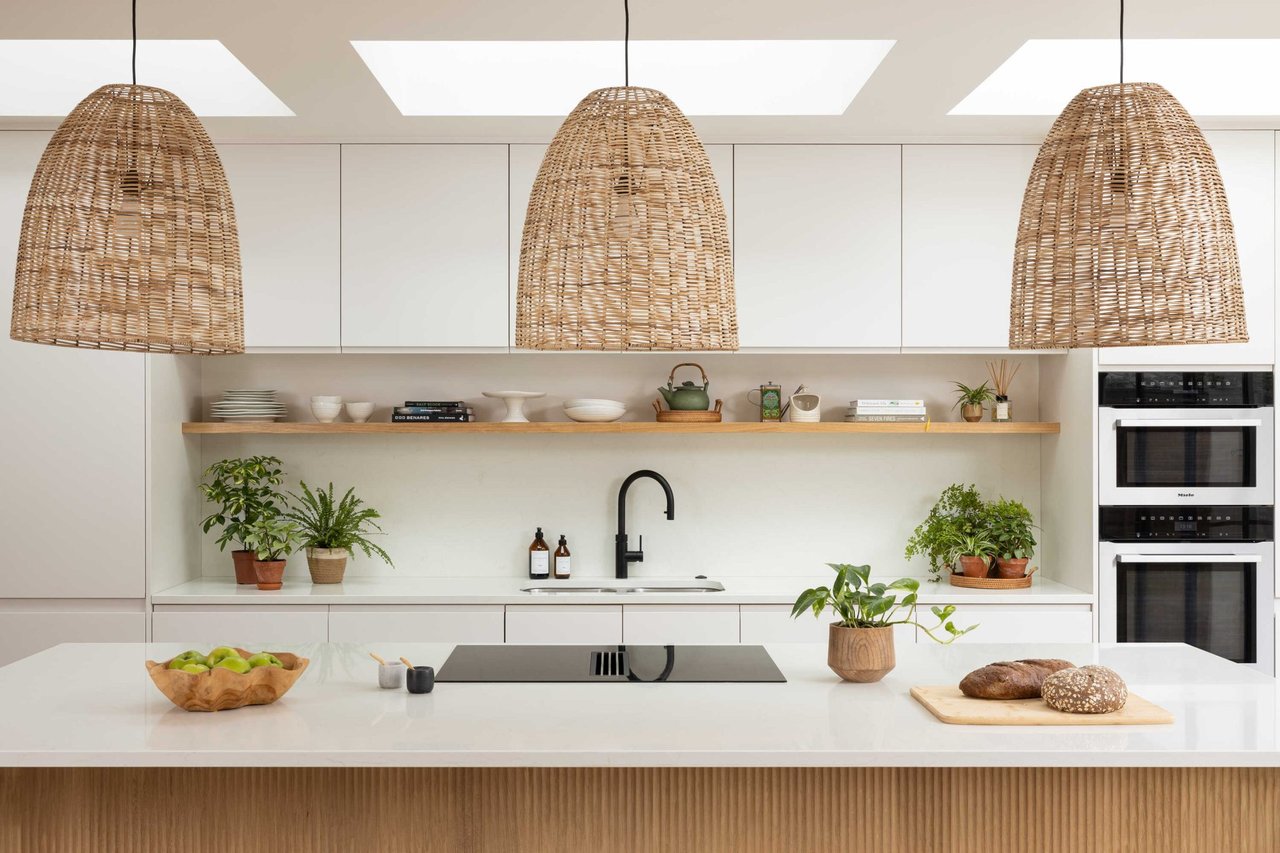
I first learned about Biophilic design a few months ago when I met an Interior Designer who specializes in this style. Although I had never heard of this style before, once I understood the principles it made perfect sense and appeals to my own design aesthetic. It’s also very on trend with where today’s interior designs are going: toward natural colors, shapes and textures.
What Is Biophilic Design?
Biophilic design is built on the idea that people have an innate connection to nature. The word "biophilia" means "love of life" or "love of living systems," and the design approach applies it to the spaces we live in. Rather than treating nature as decoration, biophilic design weaves natural elements, textures, light, and patterns into the home so it feels calmer, fresher, and more restorative.
The concept has American roots. Psychoanalyst Erich Fromm used the term "biophilia" in 1964, and Harvard biologist Edward O. Wilson popularized it in his 1984 book Biophilia. Yale social ecologist Stephen Kellert then developed it into a design approach, most notably through the co-edited 2008 volume Biophilic Design.
Many people find that spaces with natural elements feel more relaxing and inviting. For homeowners and buyers alike, that sense of comfort can make a home feel more like home.
Easy Ways to Incorporate it into your Home
Add plants, and start easy. Pothos, snake plants, and ZZ plants tolerate low light and forgetful watering. For sunny rooms, try aloe, jade plants, or other succulents. Group a few at different heights for a lush look, or hang a trailing plant near a window.
Let in the light. Natural light is a core element of biophilic design. Swap heavy drapes for sheer curtains, keep windows clear, and place mirrors opposite windows to bounce daylight deeper into the room.
Choose natural materials. Wood, stone, linen, cotton, jute, and wool all add warmth and texture. Think a wooden tray, a woven basket, a linen throw, or a stone bowl on the coffee table.
Use an earthy palette. Greens, soft browns, sandy neutrals, and muted blues echo the natural world. A fresh coat of paint or a few new pillows can shift the mood.
Bring in nature's patterns. Botanical prints, leaf-patterned fabrics, or wallpaper with organic shapes suggest nature even where plants won't grow.
Engage more than your eyes. Open a window for fresh air, add a small tabletop fountain for the sound of water, or use plant- or wood-based scents like cedar or eucalyptus.
Create a view. If you can, arrange seating to face a window, a garden, or a favorite plant, so there is always something natural to rest your eyes on.
Embracing This Style
Biophilic design has a calming, restorative effect and can be easily incorporated into your home. Start small, with one plant, one natural texture, or one brighter window, and build from there. For me, I am replacing a glass chandelier over my dining table with a rattan one. The new light fixture will add natural texture and soften the space. You can easily make affordable, low-commitment changes that make your home feel more alive, and photograph beautifully, too, which is a bonus for anyone thinking about listing.
